What Mandela taught me about sacrifice
I was on my way home when I watched Mandela. For weeks afterwards, I could not leave one question alone: how much of the life I want am I expecting to receive without giving anything up?
Darius Curta · 10 November 2026 · 7 min read
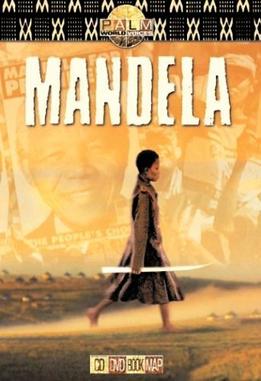
Recently, flying from Romania to Dubai with Emirates, I came across the documentary Mandela. I watched it. And when the flight was over, something in me was still sitting with his story.
I do not remember the details of landing, leaving the aircraft or the drive home. Those parts of the journey have blurred. What has not blurred is what he was willing to give. For weeks, I kept thinking about it. Not only about South Africa or politics. About what his example was asking of me.
That scene gives me a way into the thought I had on the flight:
What stayed with me after watching the story of Nelson Mandela was a question I hadn't thought about before. While he was in prison, who kept showing up for his cause? I think of Winnie coming out of that prison with his answer, and of their daughter standing in front of thousands of people and saying, “My father says…” I think of the people who kept asking for his release year after year, when they had no idea how many more years it would take. We know the day Mandela walked free. I wanted to understand what those people did with all the years before it.
27 years is a life, not a number
We hear that Mandela spent more than 27 years in prison, and because we know how the story ends, we can hurry past what that means. We remember the release. The recognition. The man the world came to honour. But the years before that were not a waiting room for greatness. They were his life.
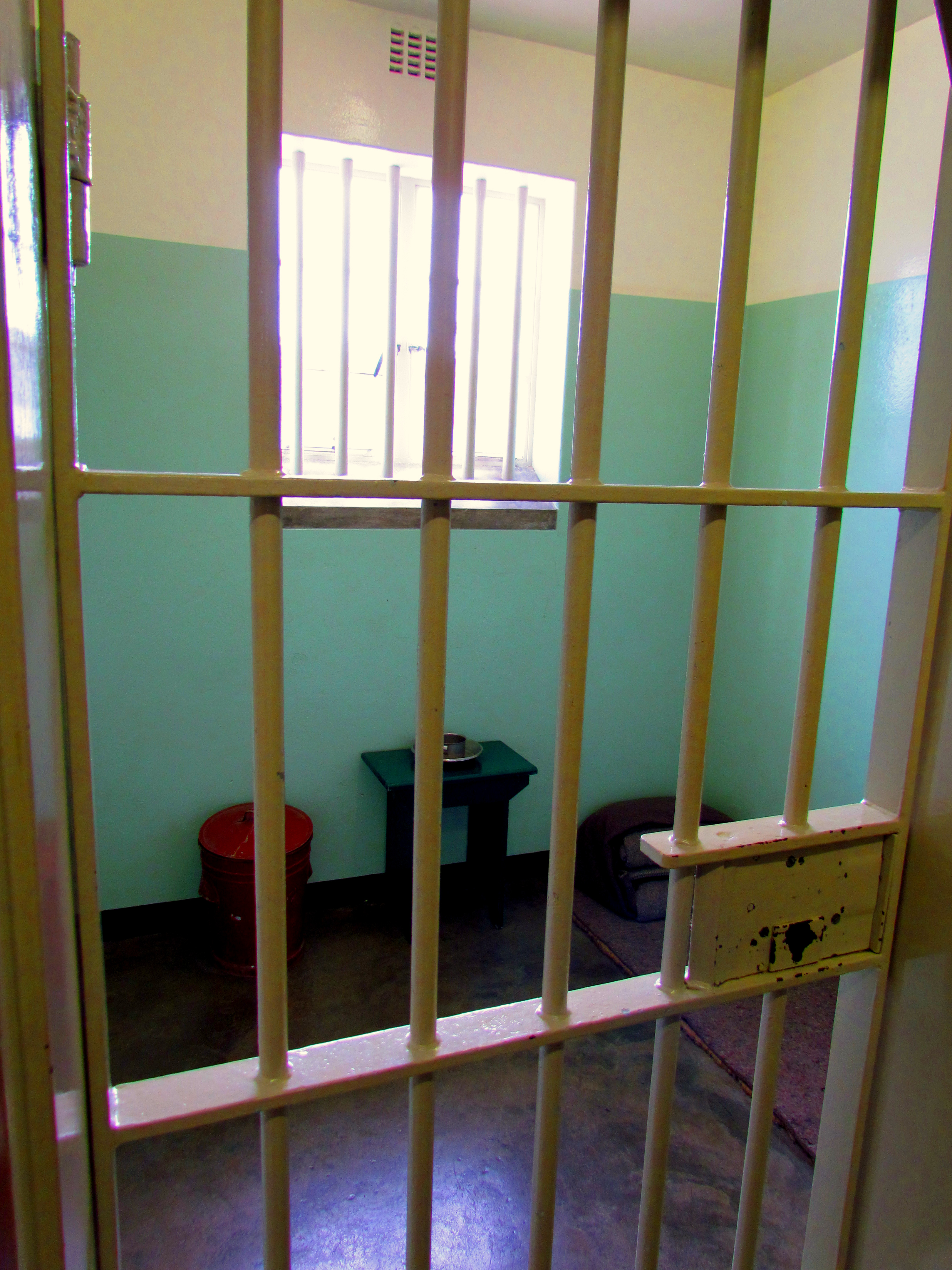
The Nelson Mandela Foundation records that his imprisonment began in 1962. In June 1964, he received a life sentence after his conviction for sabotage in the Rivonia Trial. He would not be released until 11 February 1990. Those dates span several prisons and more than 27 years. Years he could never have back.
His mother died in 1968. His eldest son died in 1969. According to the Foundation, he was not allowed to attend either funeral. That is where the number becomes unbearable to me. His mother. His son. There is no later success that gives a person those goodbyes back.
The choice inside the sentence
He did not choose prison. Nobody chooses a cell. But here is what I keep coming back to: he did choose how to pass that time. He passed those years with dignity. He did not lose himself inside them. He kept respect, and even forgiveness, for the people on the other side of the door.
That is the part that made people say: he is not just speaking, he did it. Words about sacrifice are easy. A life lived that way is not. That is why his people felt him at a depth no speech could reach. He was not asking them to believe his sentences. He had already paid with his years.
He did not ask them to believe only his words
What reached me was the connection between his sacrifice and the people he stood for. A speech can tell people you care about their future. What you are willing to endure for that future tells them something words cannot. His commitment to their freedom had cost him his own.
In 1985, President P. W. Botha offered him conditional release if he renounced violence. Mandela refused. His daughter Zindzi read his response at a rally in Soweto on 10 February. The Foundation preserves the statement, including these words:
“Your freedom and mine cannot be separated. I will return.” Nelson Mandela, statement read by Zindzi Mandela, 10 February 1985.
After so many years, his answer was still not simply: let me out. His freedom and theirs belonged together. That is what stayed with me. He was not just describing a future for his people. He was living the cost of refusing to abandon it. He did not end apartheid alone. A wider movement, resistance, international pressure and negotiations all mattered. But his own sacrifice made his commitment something people could recognise beyond a speech.
What actually brought him out?
Here is the question I cannot leave alone. What brought him out? It was not the prison that released him. It was the willingness of people.
Maybe it was his wife, who lobbied for him year after year. Maybe it was a few friends who refused to let the world forget his name. Maybe it was his fellow fighters, the ones who carried the cause while he could not. Slowly, slowly, they turned one man's name into a movement.
Or maybe it was something inside people themselves, the instinct to stand behind a cause when they see someone pay for it with his own life. Maybe God planted the seed and made it happen. Maybe it is all of these together.
I do not know. And honestly, I do not want to decide for you. I would rather you sit with the question the way I have, and come to your own conclusion.
What am I actually willing to give?
I cannot compare my ambitions with his imprisonment. I do not need to. What I can do is let his example disturb the comfortable way I sometimes think about wanting something.
It is easy to say I want to go further. To build something that matters. To become someone people can believe in. Wanting it asks very little of me. The difficult question is what I am prepared to stop protecting in order to get there.
My comfort? The need to be right? The habit I keep defending? The approval of people who may never understand the direction I want to take? A future can matter deeply to me and still lose, every day, to something I refuse to let go of.
The sentence I brought home was this:
The level of your sacrifice is the level of your success.
Those are my words, not Mandela's. I do not mean that pain earns a reward or that people who struggle without succeeding have failed to give enough. I mean something more personal: I cannot honestly say a future is everything to me if I insist that reaching it must cost me nothing.
And I have to be careful about what I call sacrifice. Neglecting my family or destroying my health is not proof of commitment. Nor is asking other people to carry the cost of my ambition. The sacrifice I am questioning is my own: what am I holding on to that keeps me from becoming the person I say I want to be?
Before you ask why you are not there yet
Think about something you have wanted for a long time. Not something that sounds impressive when you say it aloud. Something whose absence you actually feel. The work you want to do. The person you want to become. The life you keep imagining while living another one.
Now ask what you have changed for it. Not what you have planned. Not what you have announced. What you have actually changed. What have you let go of? What have you kept doing after it stopped feeling exciting? What necessary discomfort are you still negotiating your way around?
Sometimes the answer is that you have already given more than anyone knows, and what you need is support, not another demand. But sometimes, if we are honest, we are asking for a different life while protecting every habit of the one we have.
I am not asking this from the other side of an answer. I am asking because Mandela's story left me unable to avoid it. He gave years he could never recover to a future he believed his people deserved. I came home with my own future still ahead of me. What am I willing to give it?
So I will leave you with the two questions I brought home from that flight. Have you sacrificed enough to be where you want to be? And when the time comes, who will stand up for you, and why?
The level of your sacrifice is the level of your success. Let me know your thoughts.