Hortman exists because of a risk taken quietly, off to the side, while another job paid the bills. A coach flown in, a client met on a break, a venture that failed on schedule, and an offer that arrived exactly when it was supposed to.
When COVID forced the company to cut deep, Darius was let go. He wrote to Roman. The email carried his CV and one line: "Roman, this is my CV. If you know anyone, I can be an asset for any kind of organization." A sentence sent without a grain of modesty, he knew his value. Weeks later the reply arrived in a single sentence that changed the decade. Roman wrote: "You are going to open a Stem Cells Clinic."
He had never built a clinic. He says he had no option but to believe. He called everyone in his address book, took project management classes he admits he did not take very seriously, sat with consultants, listened, borrowed their vocabulary, and gave it back to the next room sharpened. Then there was a space, a contractor, a standard to set.
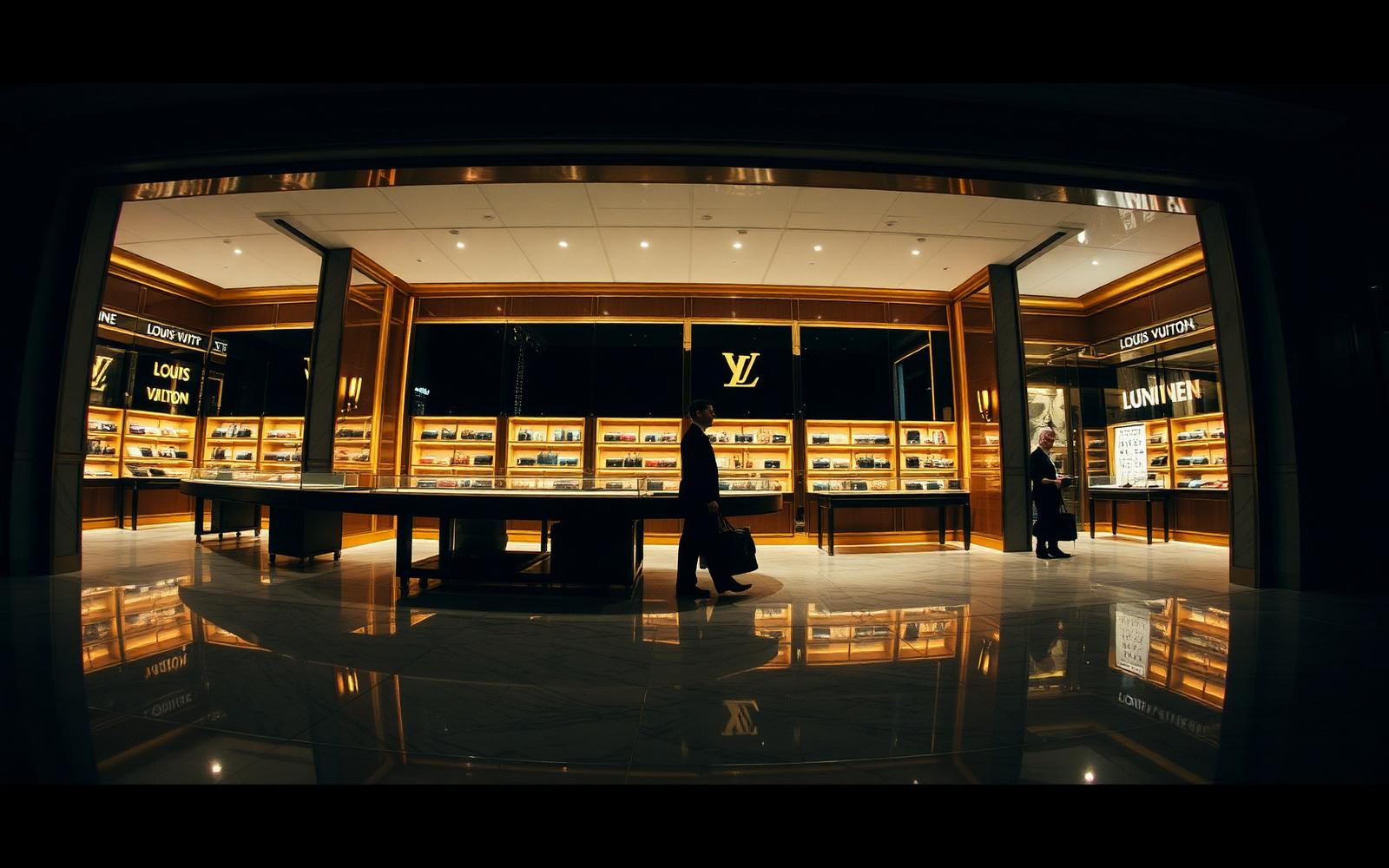
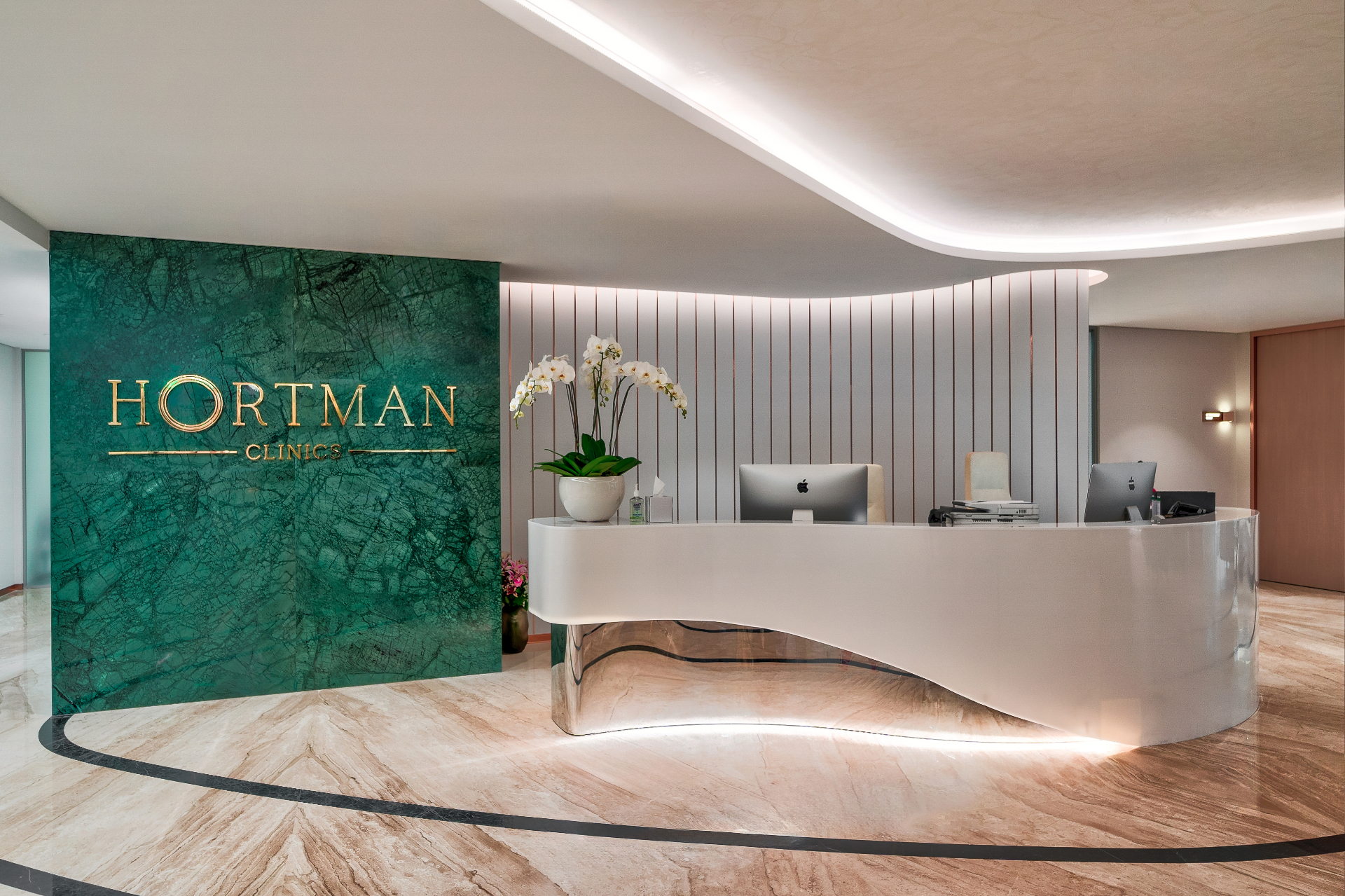
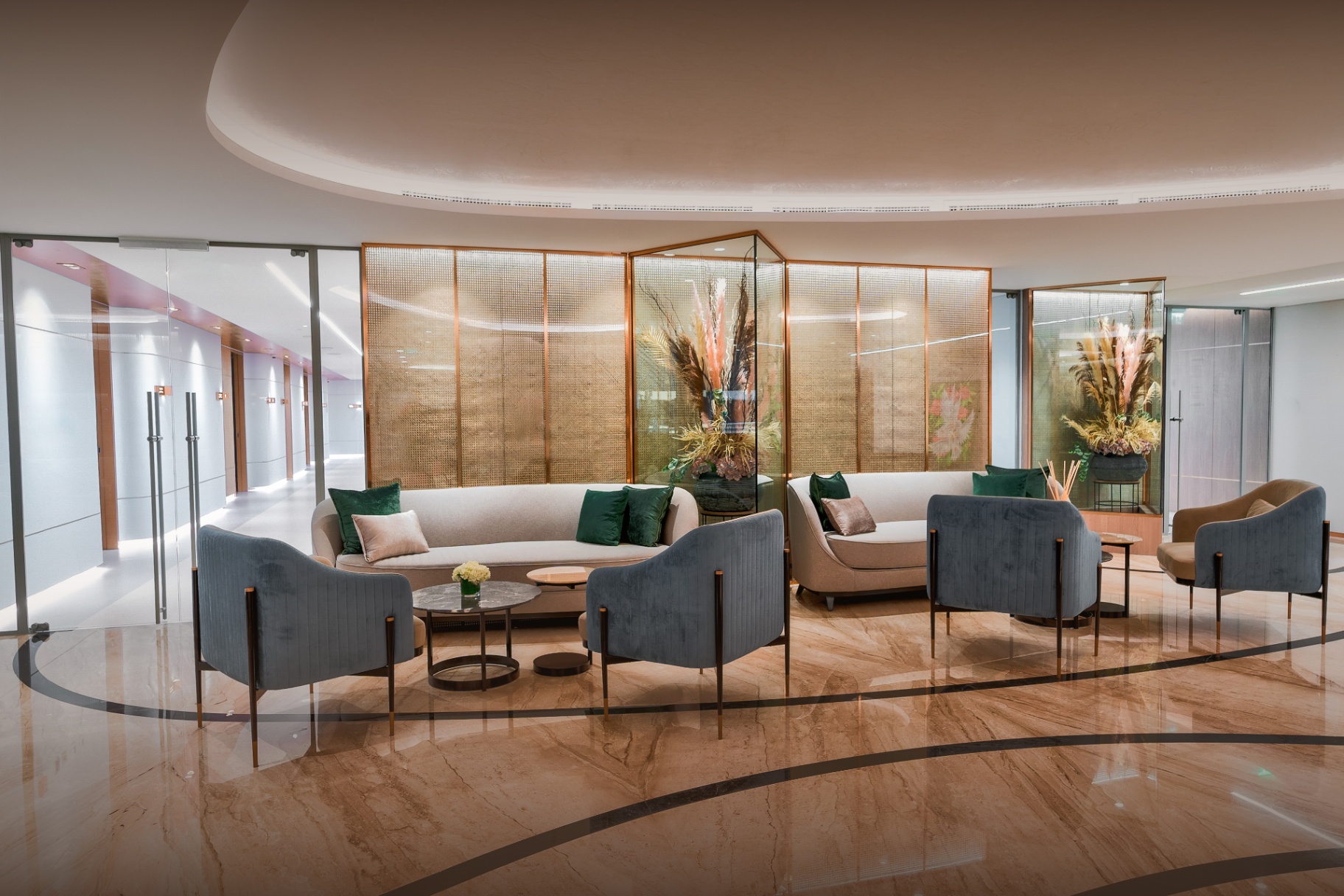
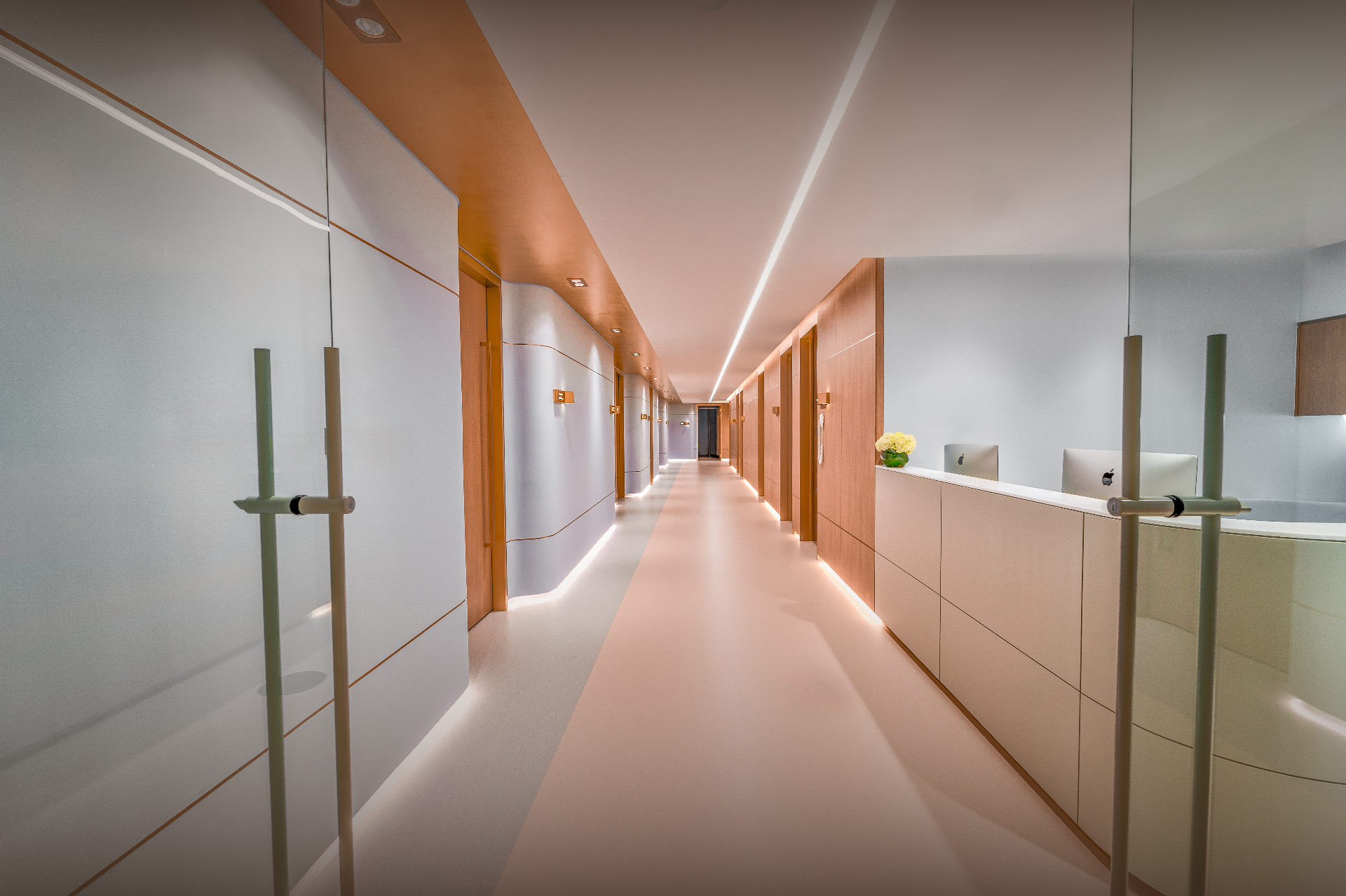
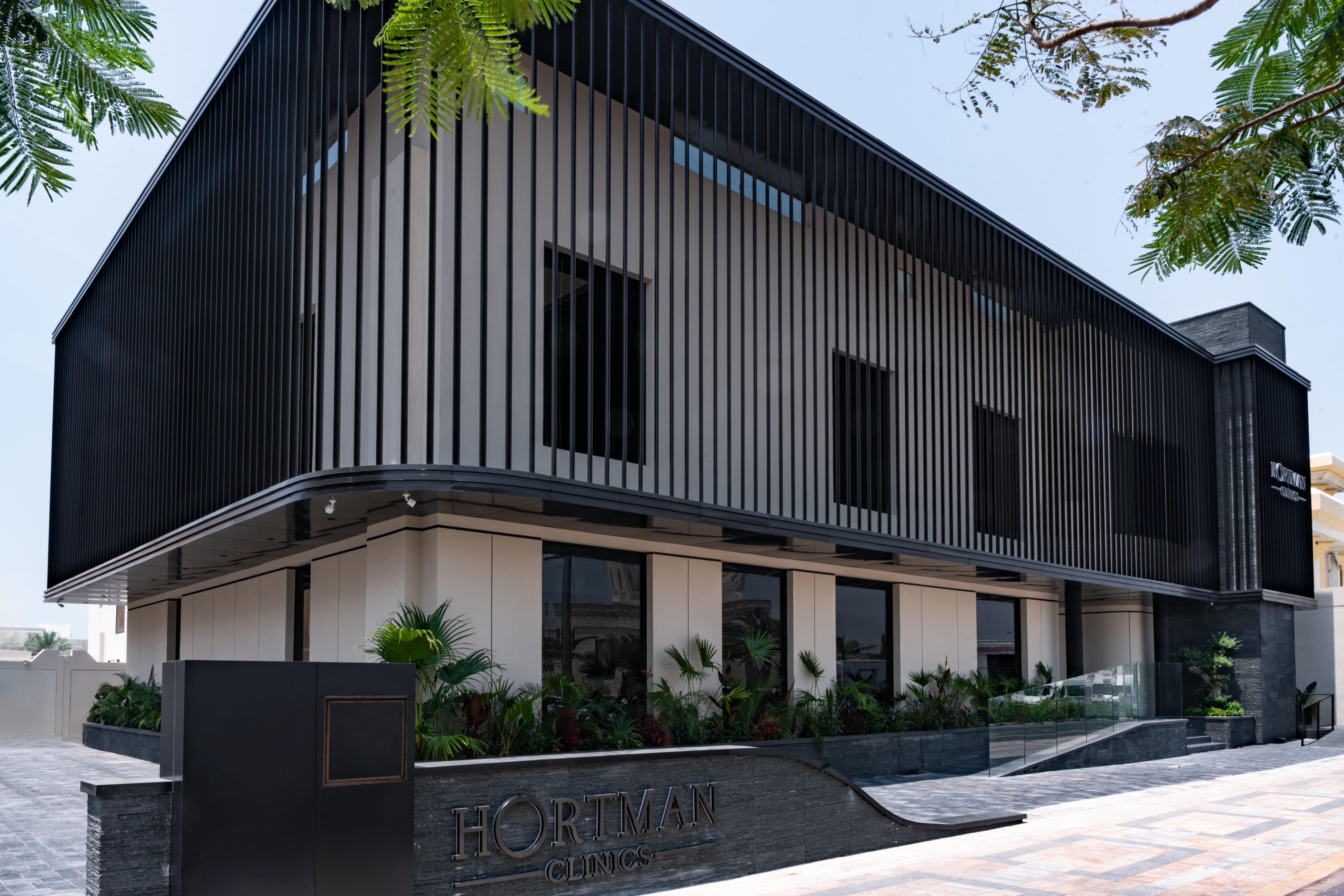
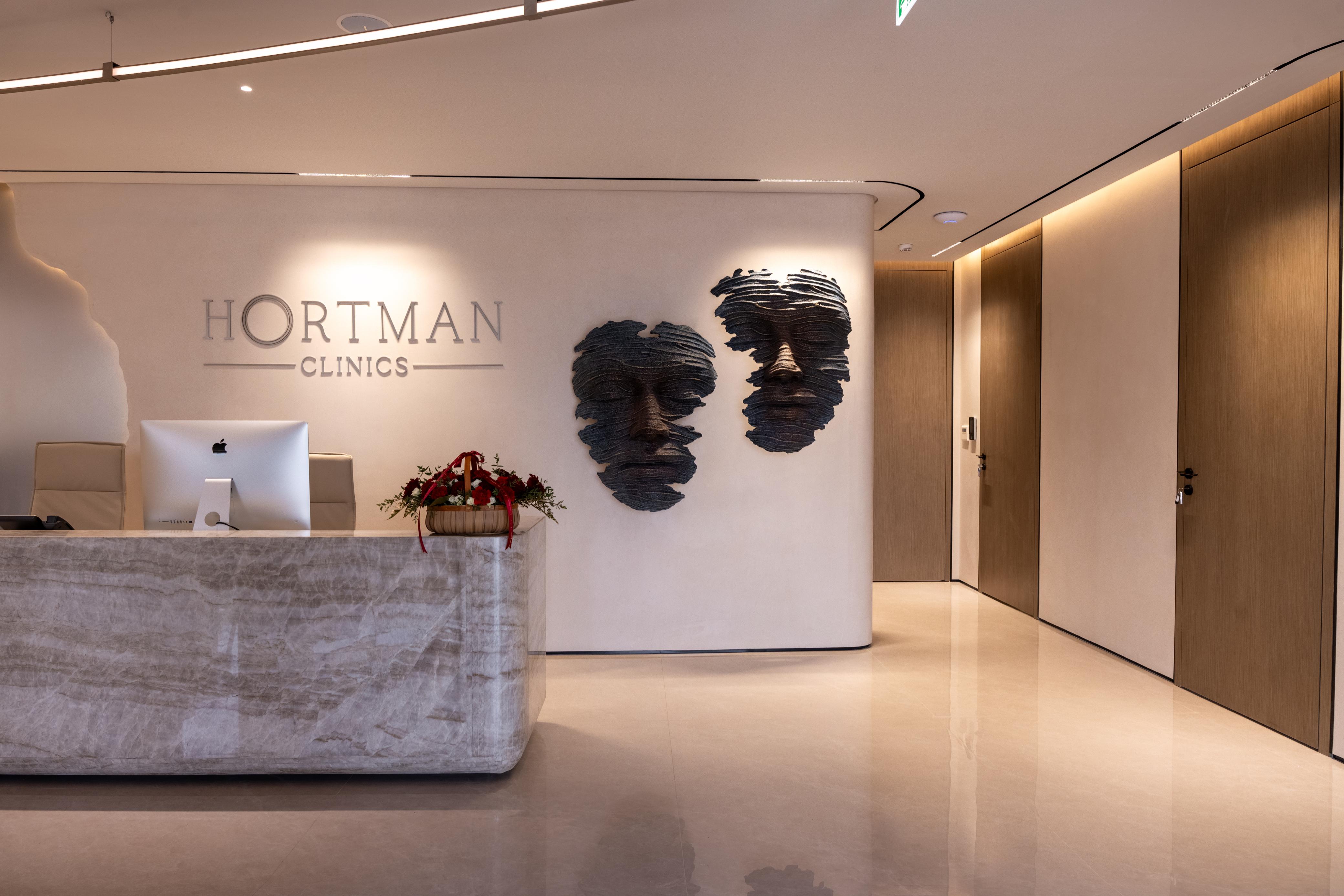
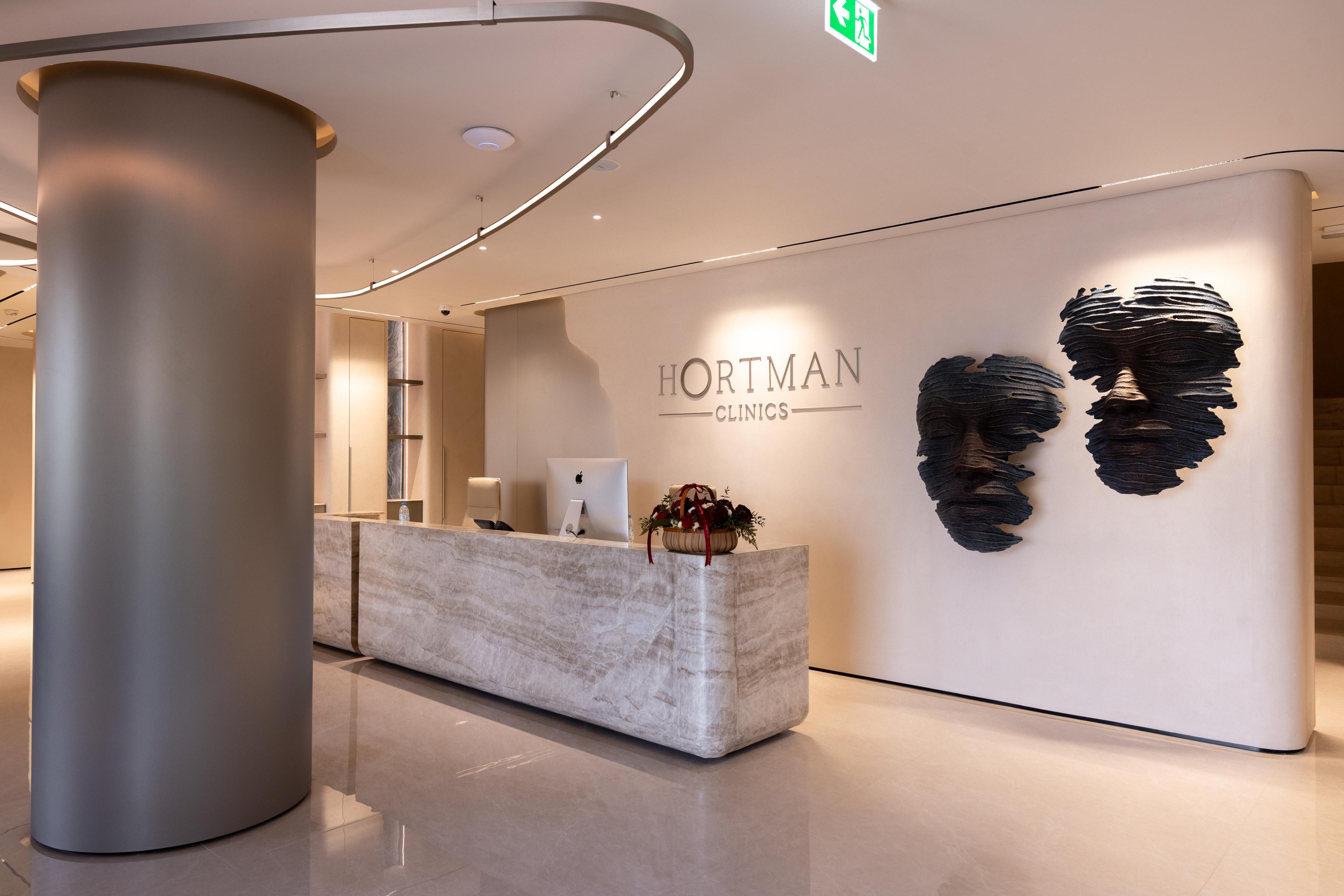
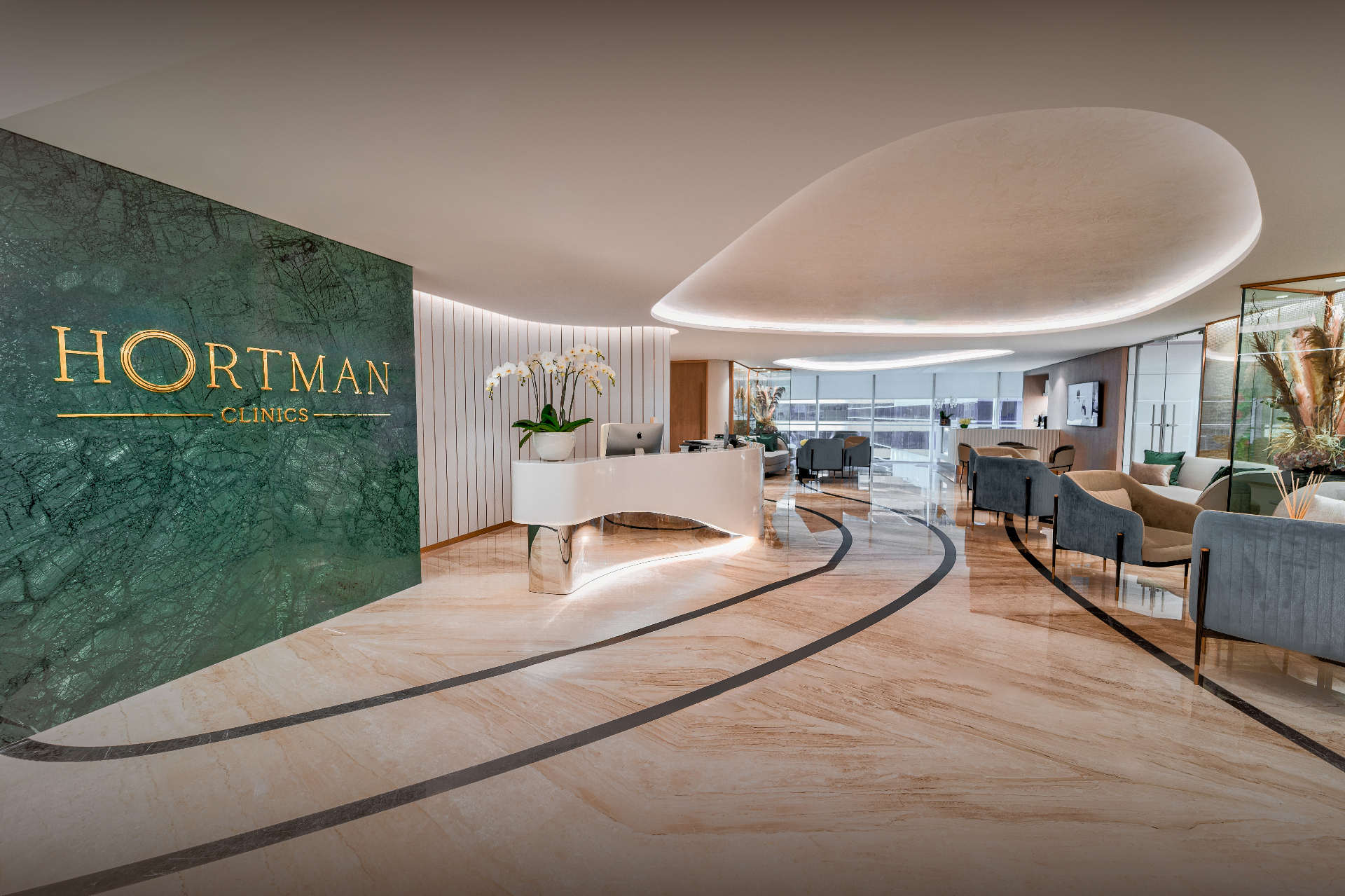
Hortman was, in many ways, a homecoming, a chapter in which the lessons of France and the vocabulary of Louis Vuitton were finally applied to something one could shape from the ground up. Furniture, hospitality, atmosphere, service, held together by a single conviction: that the interior of a life should be as considered as its facade.
Here, leadership took on a different shape. Less performance, more architecture. Rooms designed as sentences. Teams built like orchestras, tuned quietly, and only in public when the music has to be played.
The work continues. The work is the point.